
Aromatherapy Shower Systems: Creating a Multi-Sensory Bathing Ritual
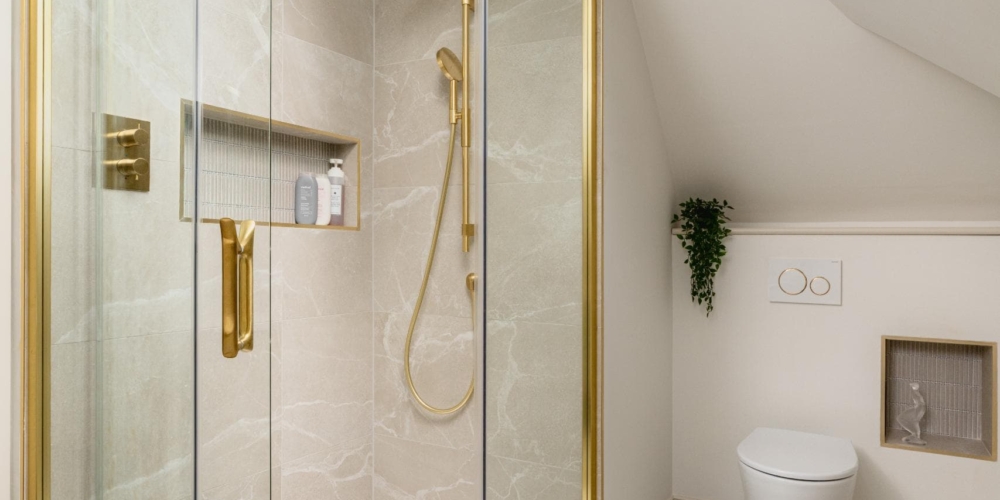
Integrated aromatherapy can make scent part of the shower or steam setting itself, rather than something added afterwards with candles or a standalone diffuser. The strongest wellness bathrooms combine scent with water, steam, lighting, temperature, sound and tactile materials, creating an atmosphere that feels personal, practical and easy to enjoy as part of everyday life.
A spa-like bathroom is not created by adding as many features as possible. The most successful schemes feel considered, with each element contributing to how the room looks, feels and functions. Aromatherapy can form part of that picture, particularly when it is planned alongside the shower, steam, lighting and materials from the outset.
That is also a natural fit with Pier1’s wider approach to bespoke bathroom design, where layout, practical requirements, products and finishes are considered together rather than as isolated decisions.
What is an integrated aromatherapy shower?
An integrated aromatherapy shower is a shower or steam system designed to introduce fragrance as part of the bathing environment. Depending on the system, scent may be delivered through a dedicated reservoir, cartridge or fragrance-injection component so that it works alongside the water or steam rather than simply fragrancing the room.
That distinction matters. A candle or diffuser can create atmosphere around a bath, but an integrated system is planned as part of the shower or steam specification itself. It can therefore sit alongside other spa-like bathroom features such as rainfall water, body jets, steam, ambient lighting and precise temperature control.
For homeowners considering a more immersive wellness bathroom, the important question is not how many features can be added. It is whether the chosen features genuinely improve the way the room feels to use.
Why scent matters in multi-sensory bathroom design
Bathroom design is often discussed in visual terms: tiles, brassware, colour and lighting. Yet the way a room feels also depends on what you hear, touch and smell. Scent can alter the character of the same space without changing its physical design, which makes it particularly useful when one bathroom needs to support different routines throughout the day.
The aim should not be to overpower the room. A well-considered aromatherapy system should sit quietly within the wider scheme, with fragrance supporting the atmosphere rather than becoming the main event.
For Pier1, that means treating wellness features as part of the whole design. A client may decide that steam and aromatherapy are central to the brief, while another may achieve the atmosphere they want through a generous rainfall shower, warmer materials and better lighting. The right specification depends on the person, the property and how the bathroom will actually be used.
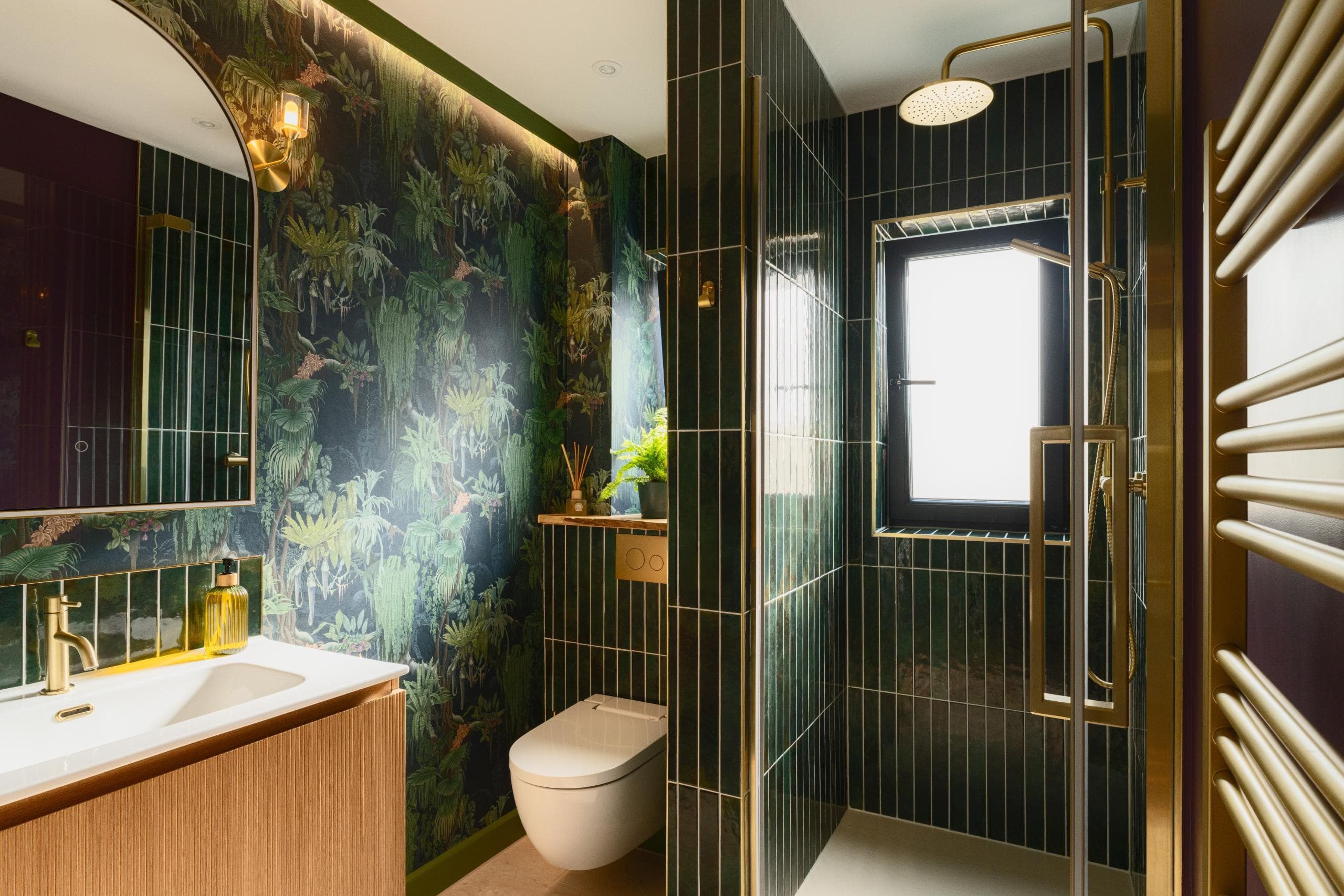
Seven features that can shape a multi-sensory bathroom
A convincing home-spa feel usually comes from several subtle details working together rather than one headline feature. These are seven areas worth considering:
- Aromatherapy introduces another layer to the room and can help distinguish a fresher morning shower from a slower evening routine.
- Rainfall heads, hand showers and body jets can change the coverage, direction and intensity of water, giving the shower a more enveloping feel.
- In a steam environment, fragrance can become part of the atmosphere rather than simply scenting the surrounding room.
- Layered or colour-adjustable lighting can shift the mood of the bathroom without changing the core design.
- Stable shower temperature, warm surfaces and underfloor heating all influence whether the room feels immediately comfortable.
- Discreet audio can complement the room, although it should remain easy to control and should never make the bathroom feel gadget-heavy.
- Materials and texture. Natural-looking stone, timber-effect surfaces, soft matt finishes and tactile details can bring warmth and depth to a space that might otherwise feel clinical.
Where does aromatherapy work best?
Aromatherapy can be approached in different ways depending on the type of bathroom, the products being specified and how integrated the homeowner wants the feature to be.
Experience showers
Experience showers are a natural fit for integrated aromatherapy because they are already designed around more than water alone. Depending on the specification, rainfall, body jets, lighting, temperature changes and scent can be coordinated to create a more immersive shower setting.
If the starting point is the shower itself, our guide to creating a more immersive showering experience looks at why water pressure, flow rate, hot-water capacity and layout all matter alongside the choice of shower head.
Steam showers and steam rooms
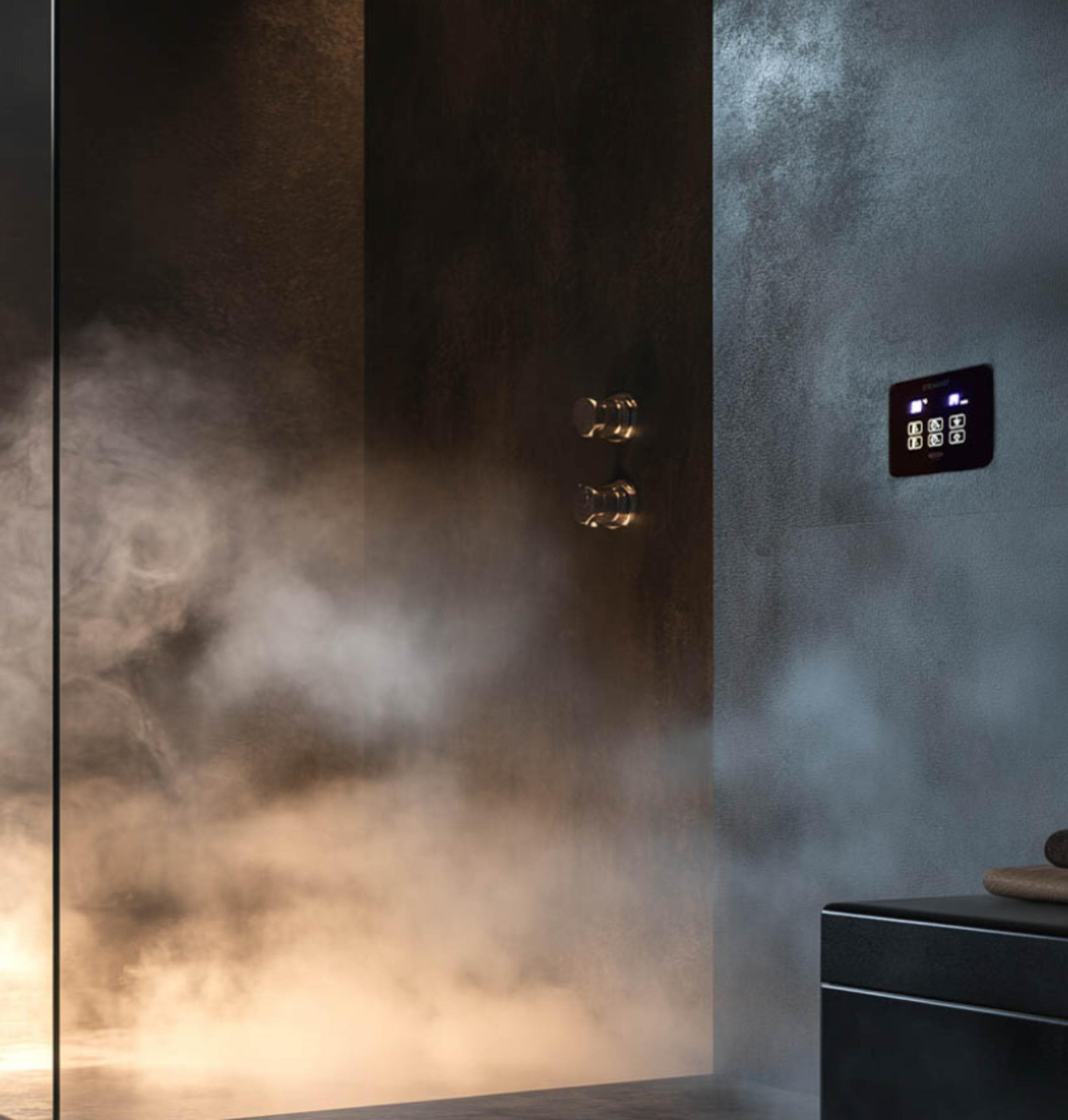
Steam and aromatherapy are often paired because compatible systems can introduce fragrance directly into the steam environment. The exact method varies between products, so only fragrances or aromatherapy products approved for the specific shower or steam system should be used. Oils should never simply be added directly to equipment unless the manufacturer explicitly allows it.
A steam room also brings more design considerations than a conventional shower. Our guide to integrating a steam room at home explores some of the practical questions that need resolving before it becomes part of a bathroom scheme.
Bathing zones
A freestanding bath does not necessarily need integrated scent technology to feel sensory or considered. Here, the atmosphere can be built around softer ambient fragrance, warm lighting, tactile finishes, comfortable temperature and a layout that gives the bath enough visual space to feel like a destination rather than simply another fixture.
Creating different routines for different times of day
One of the advantages of a well-planned wellness bathroom is that the same room can feel different depending on how it is used. Rather than designing one fixed “spa mode”, it can be more useful to think about the routines the room needs to support.
An energising morning routine
- A fresher fragrance profile.
- Brighter task and ambient lighting.
- A rainfall or invigorating shower setting that feels efficient as well as enjoyable.
- Simple controls that do not slow down the morning routine.
A slower evening routine
- Softer, warmer lighting.
- Steam or a gentler rainfall setting where appropriate.
- A calmer fragrance profile selected for personal preference.
- A quieter overall environment with fewer visual distractions.
A longer weekend spa session
- More time for steam, bathing or multiple shower settings.
- Music or other discreet audio if it genuinely adds to the atmosphere.
- Layered lighting that allows the room to move from practical to atmospheric.
- Aromatherapy used as one part of the overall setting rather than the only wellness feature.
These are design ideas rather than claims about medical or therapeutic benefits. Aromatherapy is best treated here as part of the sensory character of the bathroom, not as a substitute for clinical treatment or health advice.
Why these features should be designed together
Integrated aromatherapy showers and other wellness features are easiest to incorporate when they are considered at the design stage. Retrofitting technology after the room has been specified can limit the options or introduce compromises that could have been avoided.
Depending on the products selected, the design may need to account for:
- the shower or steam equipment and compatible controls
- electrical provision and safe positioning of components
- ventilation and moisture management
- waterproofing and the overall shower construction
- lighting and speaker positions
- access for maintenance and servicing
- manufacturer-approved fragrance products or consumables
This is where a joined-up bespoke bathroom design process earns its place. Looking at layout, products, technical requirements and atmosphere together makes it easier to create a room that feels calm rather than over-engineered. Pier1 also uses 3D visualisation and material samples to help clients understand the proposed layout, colours and finishes before the scheme progresses.
How to choose spa-like bathroom features you will actually use
The most expensive specification is not automatically the best one. Before committing to integrated aromatherapy or any other wellness technology, consider how it will fit into real life.
- Start with the routine, not the product. Decide whether you are trying to improve a quick daily shower, create a longer evening wind-down or build a dedicated home-spa setting.
- Choose the senses that matter most to you. Scent may be central for one person, while another may care more about water, lighting or warmth.
- Keep the controls intuitive. A feature that takes several steps to activate is less likely to become part of an everyday routine.
- Check compatibility early. Shower, steam, lighting, audio and fragrance systems should be specified with the wider bathroom design in mind.
- Think about upkeep. Fragrance cartridges, reservoirs, cleaning routines and servicing all need to be realistic for the way you live.
- Avoid technology for technology’s sake. The goal is a better bathroom, not a room full of features that rarely get used.
Designing a bathroom around the experience
The best wellness bathrooms still feel like beautifully designed bathrooms first. Technology should support the space, not dominate it. That means choosing materials, lighting, water systems and aromatherapy around the person using the room, the property and the atmosphere they want to create.
Pier1 Bathrooms specialises in the design and supply of bespoke luxury bathrooms across Brighton, Sussex and parts of Surrey, working closely with recommended installation teams. The design process brings layout, products, finishes and technical considerations together so the finished room feels coherent rather than assembled feature by feature.
Planning a bathroom with steam, aromatherapy or other wellness features? Visit our Hove showroom or book a design consultation with the Pier1 team to explore what could work in your space.